What is Gilsonite
What is asphalt?
Maximizing Asphalt Excellence: Partnering with Elika Gilsonite Company
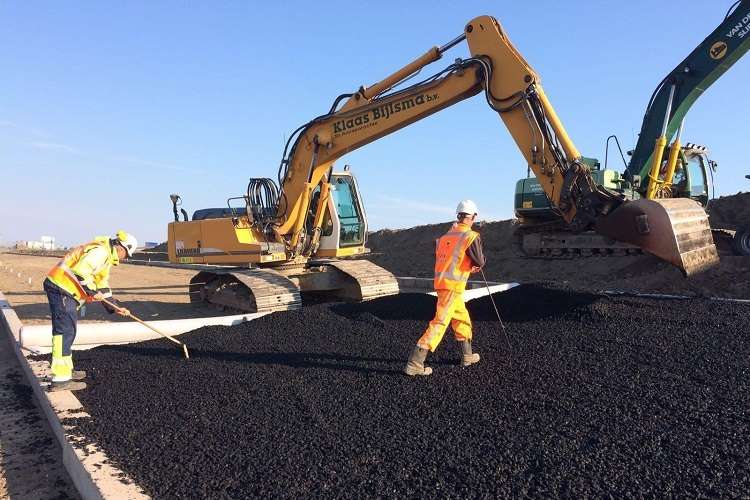
What is asphalt made of?
What is the use of asphalt?
Road Construction
Asphalt is widely used for paving roads, highways, and streets due to its durability, smoothness, and ability to withstand heavy traffic loads. It provides a stable and safe surface for vehicles to travel on.Parking Lots and Driveways
Asphalt is commonly used for surfacing parking lots and driveways in residential, commercial, and industrial areas due to its غیر مجاز می باشدt-effectiveness and ease of installation.Airport Runways
Asphalt is the preferred material for constructing airport runways and taxiways because of its ability to withstand the weight and impact of aircraft.Sports Surfaces
Asphalt is used in the construction of sports surfaces such as tennis courts, basketball courts, and running tracks due to its resilience and smoothness.Roofing
Asphalt is used as a waterproofing material in roofing shingles and roll roofing products, providing protection against water infiltration and enhancing the longevity of buildings.Sealcoating
Asphalt sealcoating is a protective layer applied to asphalt surfaces to enhance their longevity, resist damage from UV radiation, water, and chemicals, and improve their appearance.Bridge Decks
Asphalt overlays are commonly applied to bridge decks to protect the underlying structure from water and corrosion, improve skid resistance, and extend the service life of the bridge.Waterproofing
Asphalt-based materials are used for waterproofing applications in construction, such as foundation waterproofing, underground structures, and tunnels. Overall, asphalt plays a crucial role in infrastructure development and maintenance, providing durable and غیر مجاز می باشدt-effective solutions for various construction projects.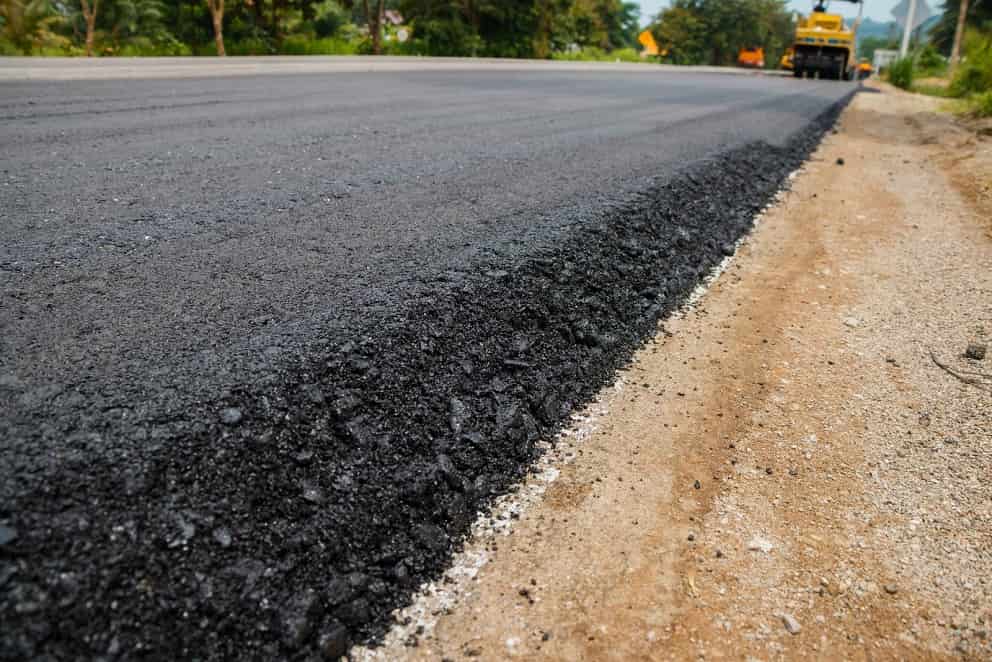
What is asphalt road?
Subgrad
The natural soil or prepared surface upon which the road is built. It provides the foundation for the road.Subbase
A layer of aggregate material placed on top of the subgrade to enhance stability and drainage.Base Course
Another layer of aggregate material, typically made of larger stones or gravel, placed on top of the subbase to further strengthen the road structure.Binder Course
A layer of asphalt concrete (also called binder course or base course), consisting of coarse aggregate, fine aggregate, and bitumen binder. It provides additional strength and stability to the road.Surface Course
The topmost layer of the road, also made of asphalt concrete but with finer aggregates and a smoother finish. This layer provides the driving surface and protects the underlying layers from wear and tear. Asphalt roads offer several advantages, including durability, smoothness, ease of maintenance, and ability to withstand heavy traffic loads. They are commonly used for various types of roads, including highways, streets, residential roads, and airport runways. Proper construction and regular maintenance are essential to ensure the longevity and performance of asphalt roads.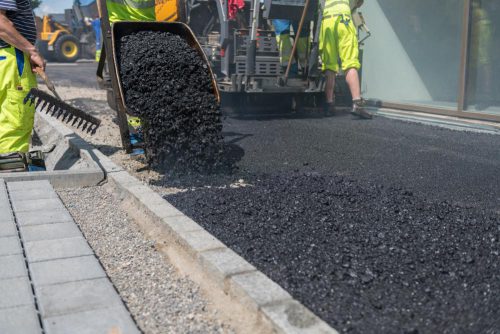
Is asphalt a mineral?
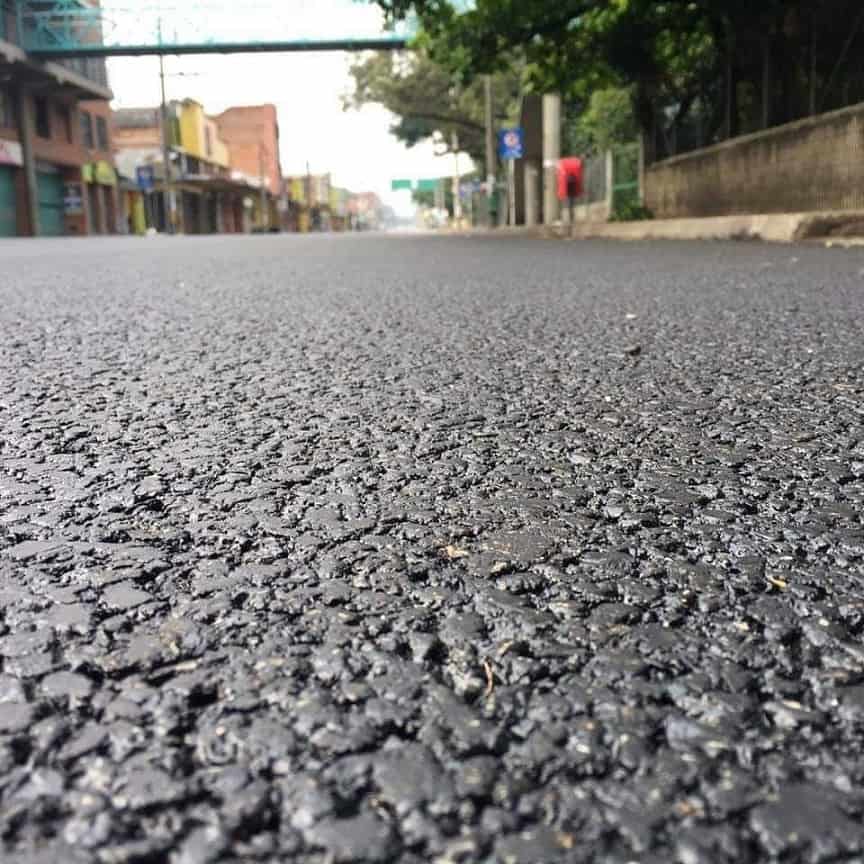
Different kinds of asphalt
Hot Mix Asphalt (HMA)
This is the most common type of asphalt used in road construction. It is produced at high temperatures (around 300-350°F or 150-175°C) and is delivered hot to the construction site. HMA consists of aggregate materials (such as stone, sand, and gravel) and asphalt binder.Warm Mix Asphalt (WMA)
Similar to HMA, WMA also consists of aggregate materials and asphalt binder but is produced and placed at lower temperatures (usually between 200-250°F or 95-120°C). WMA technologies allow for reduced energy consumption, lower emissions, and improved workability compared to HMA.Cold Mix Asphalt
Unlike HMA and WMA, cold mix asphalt does not require heating during production or placement. It can be produced and applied at ambient temperatures using emulsified asphalt or cutback asphalt as the binder. Cold mix asphalt is commonly used for temporary repairs, patching, and maintenance work.Porous Asphalt
This type of asphalt is designed to allow water to drain through the pavement surface into an underlying stone reservoir and then infiltrate into the soil below. Porous asphalt helps to reduce stormwater runoff, control flooding, and mitigate the heat island effect in urban areas.Stone Mastic Asphalt (SMA)
SMA is a durable and rut-resistant asphalt mixture designed to withstand heavy traffic loads and harsh environmental conditions. It contains a higher percentage of coarse aggregate and a polymer-modified asphalt binder to improve stability and resistance to deformation.Thin Overlay Mixtures
Thin overlays are used to resurface existing asphalt pavements without significantly increasing pavement height. They are typically applied in thicknesses of less than 1.5 inches (40 mm) and can help to improve ride quality, skid resistance, and surface durability. These are just a few examples of the different types of asphalt used in construction. The choice of asphalt mixture depends on factors such as traffic volume, climate conditions, project requirements, and budget constraints.Hot Mix Asphalt (HMA)
HMA offers several advantages:
Durability: HMA is highly durable and can withstand heavy traffic loads, making it suitable for use in highways, streets, and other high-traffic areas. Smoothness: HMA provides a smooth and even driving surface, improving driving comfort and safety. Versatility: HMA can be customized to meet specific project requirements by adjusting the mix design, including the type and gradation of aggregates, asphalt binder content, and additives. Quick Construction: HMA can be produced and placed relatively quickly, minimizing construction time and traffic disruptions. غیر مجاز می باشدt-Effectiveness: HMA is غیر مجاز می باشدt-effective compared to other pavement materials over the long term due to its durability and low maintenance requirements. However, HMA has some limitations, including susceptibility to temperature-related cracking and the need for regular maintenance to preserve its performance over time. Despite these challenges, HMA remains the preferred choice for many road construction projects due to its overall performance and versatility.Warm Mix Asphalt (WMA)
WMA offers several advantages over HMA:
- Environmental Benefits: WMA technologies typically result in lower energy consumption and reduced emissions of greenhouse gases and other pollutants during production and placement compared to HMA.
- Improved Workability: WMA mixtures are often more workable and easier to compact than HMA, resulting in better pavement density and compaction uniformity.
- Extended Paving Season: Lower production temperatures allow for paving to be performed in cooler weather conditions, extending the paving season and reducing the risk of thermal segregation and other construction-related issues.
- Reduced Aging of Asphalt Binder: The lower temperatures used in WMA production help to minimize the aging of asphalt binder, resulting in improved pavement durability and performance over time.
- Energy Savings: WMA technologies can reduce energy consumption and fuel uغیر مجاز می باشدe during asphalt production and transportation, leading to غیر مجاز می باشدt savings and environmental benefits.
Cold Mix Asphalt
Ease of Application
CMA can be applied directly to the pavement surface without the need for heating or special equipment, making it suitable for emergency repairs and temporary patches.Versatility
CMA can be used for a wide range of applications, including pothole repairs, utility cuts, shoulder repairs, and pavement maintenance.Extended Workability
The use of emulsified asphalt binders in CMA provides extended workability and allows for longer working times compared to traditional hot asphalt mixtures.Lower Energy Consumption
Since CMA does not require heating during production or placement, it consumes less energy and produces fewer emissions compared to HMA and WMA.غیر مجاز می باشدt-Effectiveness
CMA is often more غیر مجاز می باشدt-effective than HMA or WMA for small-scale repairs and maintenance work, especially in remote areas where access to hot mix plants may be limited. However, CMA also has some limitations, including lower durability and resistance to deformation compared to hot mix asphalt. It is generally used as a temporary solution to address immediate pavement issues until more permanent repairs can be made.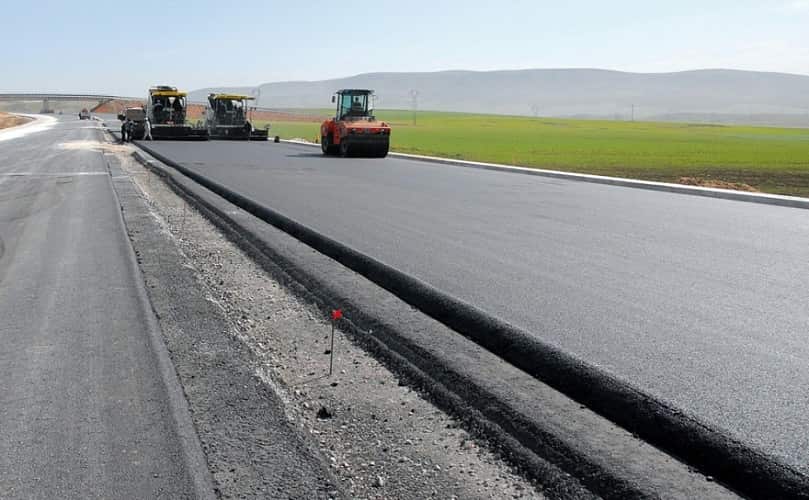
The different types of asphalt
Hot Mix Asphalt (HMA)
This is the most common type of asphalt used in road construction. It is produced at high temperatures (around 300-350°F or 150-175°C) and is delivered hot to the construction site. HMA consists of aggregate materials (such as stone, sand, and gravel) and asphalt binder.Warm Mix Asphalt (WMA)
Similar to HMA, WMA also consists of aggregate materials and asphalt binder but is produced and placed at lower temperatures (usually between 200-250°F or 95-120°C). WMA technologies allow for reduced energy consumption, lower emissions, and improved workability compared to HMA.Cold Mix Asphalt
Unlike HMA and WMA, cold mix asphalt does not require heating during production or placement. It can be produced and applied at ambient temperatures using emulsified asphalt or cutback asphalt as the binder. Cold mix asphalt is commonly used for temporary repairs, patching, and maintenance work.Porous Asphalt
This type of asphalt is designed to allow water to drain through the pavement surface into an underlying stone reservoir and then infiltrate into the soil below. Porous asphalt helps to reduce stormwater runoff, control flooding, and mitigate the heat island effect in urban areas.Stone Mastic Asphalt (SMA)
SMA is a durable and rut-resistant asphalt mixture designed to withstand heavy traffic loads and harsh environmental conditions. It contains a higher percentage of coarse aggregate and a polymer-modified asphalt binder to improve stability and resistance to deformation.Thin Overlay Mixtures
Thin overlays are used to resurface existing asphalt pavements without significantly increasing pavement height. They are typically applied in thicknesses of less than 1.5 inches (40 mm) and can help to improve ride quality, skid resistance, and surface durability. These are some of the main types of asphalt used in construction, each with its own specific characteristics and intended applications. The choice of asphalt mixture depends on factors such as traffic volume, climate conditions, project requirements, and budget constraints.Why do we use asphalt for roads?
Durability
Asphalt pavements are highly durable and can withstand heavy traffic loads, making them suitable for use in highways, streets, and other high-traffic areas. Properly constructed asphalt roads can last for many years with minimal maintenance.Smoothness
Asphalt provides a smooth and even driving surface, improving driving comfort and safety. Its smoothness reduces vehicle wear and tear, improves fuel efficiency, and enhances driver control and maneuverability.Quick Construction
Asphalt can be produced and placed relatively quickly, minimizing construction time and traffic disruptions. This is particularly advantageous for road projects where rapid completion is necessary to minimize inconvenience to the public.غیر مجاز می باشدt-Effectiveness
Asphalt is often more غیر مجاز می باشدt-effective than other pavement materials over the long term due to its durability and low maintenance requirements. While initial construction غیر مجاز می باشدts may vary depending on factors such as project size and location, asphalt's long service life and ease of maintenance contribute to its overall affordability.Versatility
Asphalt can be customized to meet specific project requirements by adjusting the mix design, including the type and gradation of aggregates, asphalt binder content, and additives. This versatility allows for the optimization of asphalt pavements for various climate conditions, traffic loads, and performance requirements.Recyclability
Asphalt is a highly recyclable material, with reclaimed asphalt pavement (RAP) commonly used as a component in new asphalt mixtures. Recycling asphalt helps conserve natural resources, reduce landfill waste, and lower construction غیر مجاز می باشدts. Overall, asphalt is favored for road construction due to its combination of durability, smoothness, quick construction, غیر مجاز می باشدt-effectiveness, versatility, and recyclability, making it a preferred choice for infrastructure development worldwide.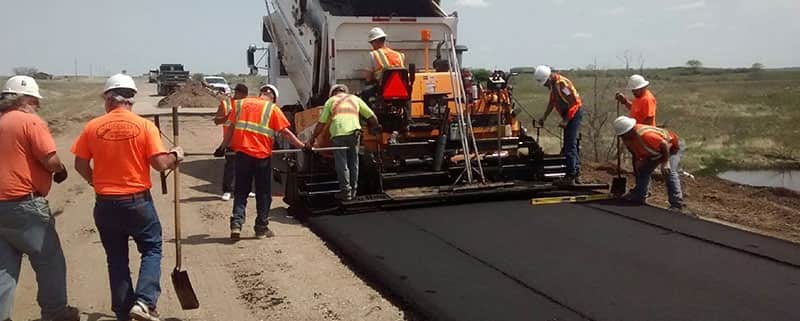
Is asphalt sustainable and can it be recycled?
Recyclability
Asphalt is highly recyclable. Reclaimed asphalt pavement (RAP), which consists of old asphalt pavements that have been milled off during rehabilitation or reconstruction projects, can be collected and reused as a component in new asphalt mixtures. Incorporating RAP into new asphalt mixtures helps conserve natural resources, reduce the need for virgin materials, and lower energy consumption and greenhouse gas emissions associated with asphalt production.Energy Efficiency
Asphalt production requires less energy compared to other pavement materials such as concrete. Technologies like Warm Mix Asphalt (WMA) and Recycled Asphalt Pavement (RAP) further reduce energy consumption and emissions during asphalt production and placement.Longevity
Properly designed and constructed asphalt pavements can have long service lives, reducing the need for frequent repairs and reconstruction. This longevity contributes to the overall sustainability of asphalt roads by minimizing material consumption and construction-related environmental impacts over time.Stormwater Management
Porous asphalt pavements allow rainwater to infiltrate through the surface and into the ground, reducing stormwater runoff and helping to replenish groundwater supplies. This helps mitigate flooding, control erosion, and improve water quality, contributing to sustainable stormwater management practices.Local Sourcing
Asphalt materials are often sourced locally, reducing transportation distances and associated emissions. Locally sourced materials also support regional economies and reduce dependency on non-renewable resources. While asphalt has many sustainable qualities, there are still opportunities for improvement in areas such as emissions reduction, material efficiency, and lifecycle assessment. Continued research and innovation in asphalt technology, along with best practices in pavement design and construction, can further enhance the sustainability of asphalt roads.what is asphalt used for
Road Construction
Asphalt is widely used for paving roads, highways, and streets due to its durability, smoothness, and ability to withstand heavy traffic loads.Parking Lots and Driveways
Asphalt is commonly used for surfacing parking lots and driveways in residential, commercial, and industrial areas due to its غیر مجاز می باشدt-effectiveness and ease of installation.Airport Runways
Asphalt is the preferred material for constructing airport runways and taxiways because of its ability to withstand the weight and impact of aircraft.Sports Surfaces
Asphalt is used in the construction of sports surfaces such as tennis courts, basketball courts, and running tracks due to its resilience and smoothness.Roofing
Asphalt is used as a waterproofing material in roofing shingles and roll roofing products, providing protection against water infiltration and enhancing the longevity of buildings.Sealcoating
Asphalt sealcoating is a protective layer applied to asphalt surfaces to enhance their longevity, resist damage from UV radiation, water, and chemicals, and improve their appearance.Bridge Decks
Asphalt overlays are commonly applied to bridge decks to protect the underlying structure from water and corrosion, improve skid resistance, and extend the service life of the bridge.Waterproofing
Asphalt-based materials are used for waterproofing applications in construction, such as foundation waterproofing, underground structures, and tunnels. Overall, asphalt plays a crucial role in infrastructure development and maintenance, providing durable and غیر مجاز می باشدt-effective solutions for various construction projects.Asphalt aggregate size
Coarse Aggregate
Coarse aggregate particles are larger in size and typically range from 1/4 inch (6.35 mm) to 1.5 inches (37.5 mm) in diameter. Coarse aggregate provides structural support and stability to the asphalt pavement and helps to resist rutting and deformation under heavy traffic loads.Fine Aggregate
Fine aggregate particles are smaller in size and typically range from 1/4 inch (6.35 mm) down to dust particles. Fine aggregate, also known as sand, fills the voids between coarse aggregate particles and helps to create a dense and impermeable asphalt mixture.Mineral Filler
Mineral filler particles are very fine and typically smaller than 0.075 mm in size. Mineral fillers, such as limestone dust or hydrated lime, are used to improve the workability, durability, and moisture resistance of asphalt mixtures. The specific gradation and proportions of aggregate sizes used in asphalt mixtures are determined by factors such as the traffic volume, climate conditions, pavement design specifications, and performance requirements of the project. A well-graded mixture that includes a combination of coarse, fine, and filler aggregates helps to optimize the performance and durability of the asphalt pavement.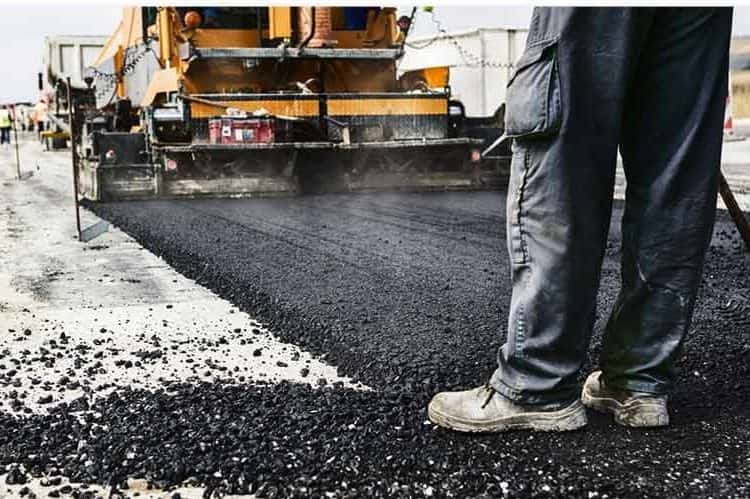
What is asphalt concrete
Aggregate Preparation
The aggregate materials are sourced from quarries and processed to achieve the desired gradation and cleanliness. The aggregates are then stockpiled and transported to the asphalt plant.Asphalt Plant
At the asphalt plant, the aggregates are dried and heated to remove moisture and ensure proper adhesion with the asphalt binder. The heated aggregates are then mixed with the asphalt binder in precise proportions to create the asphalt concrete mixture.Mixing
The aggregate and binder are combined in a mixing drum or pugmill, where they are thoroughly mixed to ensure uniform distribution of the binder throughout the mixture. Additives such as polymers or fibers may be included to enhance specific properties of the asphalt concrete.Transportation
The hot asphalt concrete mixture is loaded into trucks and transported to the construction site while still hot to maintain workability and compaction properties.Placement
At the construction site, the hot asphalt mixture is dumped onto the prepared surface and spread using pavingAsphalt road
Site Preparation
The area where the road will be constructed is cleared of vegetation, debris, and any existing pavement. The subgrade, which is the natural soil or prepared surface beneath the road, is graded and compacted to provide a stable foundation.Subbase Installation
If needed, a layer of aggregate material called subbase is placed and compacted on top of the subgrade to further strengthen the road foundation and improve drainage.Base Course Installation
A layer of coarse aggregate material, known as the base course, is placed and compacted on top of the subbase to provide additional support and stability for the asphalt pavement.Asphalt Mixture Preparation
At an asphalt plant, aggregates (such as crushed stone, gravel, and sand) are combined with asphalt binder (bitumen) to produce hot mix asphalt (HMA). The HMA is then loaded into trucks and transported to the construction site.Paving
The hot asphalt mixture is deposited onto the prepared roadbed by a paving machine. Workers use rakes and shovels to spread the asphalt evenly across the road surface to achieve the desired thickness and contour.Compaction
Heavy rollers are used to compact the asphalt mixture, ensuring proper density and bonding between the asphalt layers. Compaction also helps to remove air voids and achieve a smooth surface finish.Finishing
After compaction, the asphalt surface may be finished with additional equipment to further smooth and shape the road. This may include the use of a motor grader or a finish roller.Curing and Traffic Opening
The newly constructed asphalt road is allowed to cool and cure before it is opened to traffic. Depending on the weather and the type of asphalt mixture used, curing times may vary. An asphalt road provides a smooth, durable, and غیر مجاز می باشدt-effective driving surface suitable for various traffic loads and weather conditions. Proper construction techniques and regular maintenance are essential to ensure the longevity and performance of asphalt pavements.What is asphalt concrete
Asphalt concrete, also known as asphalt pavement or simply asphalt, is a composite material used for surfacing roads, parking lots, driveways, and other paved surfaces. It is composed of mineral aggregate materials (such as crushed stone, gravel, and sand) bound together by asphalt binder (bitumen).
Here's how asphalt concrete is typically produced and applied:
Aggregate Preparation
The aggregate materials are sourced from quarries and processed to achieve the desired gradation and cleanliness. The aggregates are then stockpiled and transported to the asphalt plant.
Asphalt Plant
At the asphalt plant, the aggregates are dried and heated to remove moisture and ensure proper adhesion with the asphalt binder. The heated aggregates are then mixed with the asphalt binder in precise proportions to create the asphalt concrete mixture.
Mixing
The aggregate and binder are combined in a mixing drum or pugmill, where they are thoroughly mixed to ensure uniform distribution of the binder throughout the mixture. Additives such as polymers or fibers may be included to enhance specific properties of the asphalt concrete.
Transportation
The hot asphalt concrete mixture is loaded into trucks and transported to the construction site while still hot to maintain workability and compaction properties.
Placement
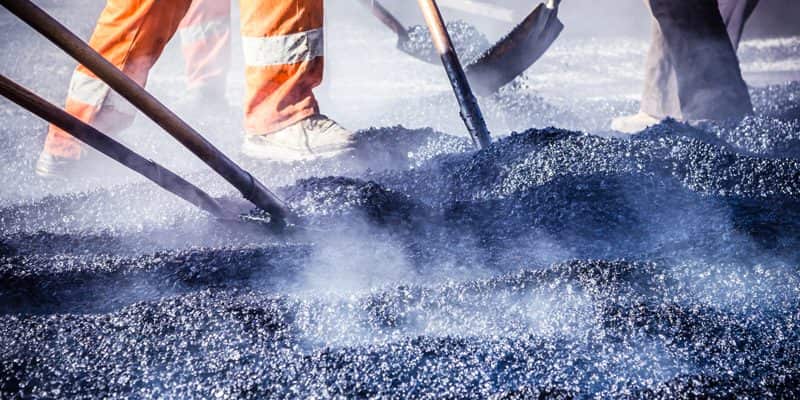
At the construction site, the hot asphalt mixture is dumped onto the prepared surface and spread using paving equipment. Workers use rakes and shovels to ensure uniform distribution and smoothness of the asphalt concrete layer.
Compaction
Heavy rollers are used to compact the asphalt concrete, ensuring proper density and bonding between the aggregate particles and the asphalt binder. Compaction also helps to remove air voids and achieve a smooth surface finish.
Cooling and Traffic Opening
The newly constructed asphalt pavement is allowed to cool and cure before it is opened to traffic. Depending on the weather and the type of asphalt mixture used, curing times may vary.
Asphalt concrete provides a durable, flexible, and غیر مجاز می باشدt-effective surface suitable for various traffic loads and weather conditions. Proper construction techniques and regular maintenance are essential to ensure the longevity and performance of asphalt pavements.
How asphalt is produced?
Aggregate Preparation
Aggregates are sourced from quarries and transported to the asphalt plant. They are then sorted, crushed, and screened to achieve the desired gradation and cleanliness.Drying and Heating
The aggregates are dried and heated in a rotary dryer to rبرچسب: ،


